
Meeting Room Types Explained
Why the best meeting space isn't always a boardroom.
“The boardroom was designed for making decisions. Not every meeting starts there.”
Executive Summary
Not all meetings are created equal, so why should they all happen in the same room?
The traditional corporate boardroom still has an important place in business. But today's organizations also need creative studios for brainstorming, lounges for informal client conversations, flexible workshop spaces for collaboration and event venues for bringing larger groups together.
In fact, one of the biggest changes we've observed at Just Meeting Rooms is that businesses are increasingly looking beyond the classic boardroom. As organizations embrace hybrid work, project-based teams and more collaborative ways of working, they're choosing meeting environments that fit the purpose of the meeting – not just the number of attendees.
Today we'll guide you through the different types of meeting spaces available, the best scenarios to use them, and how choosing the right environment can improve both the quality of conversations and the outcomes they produce.
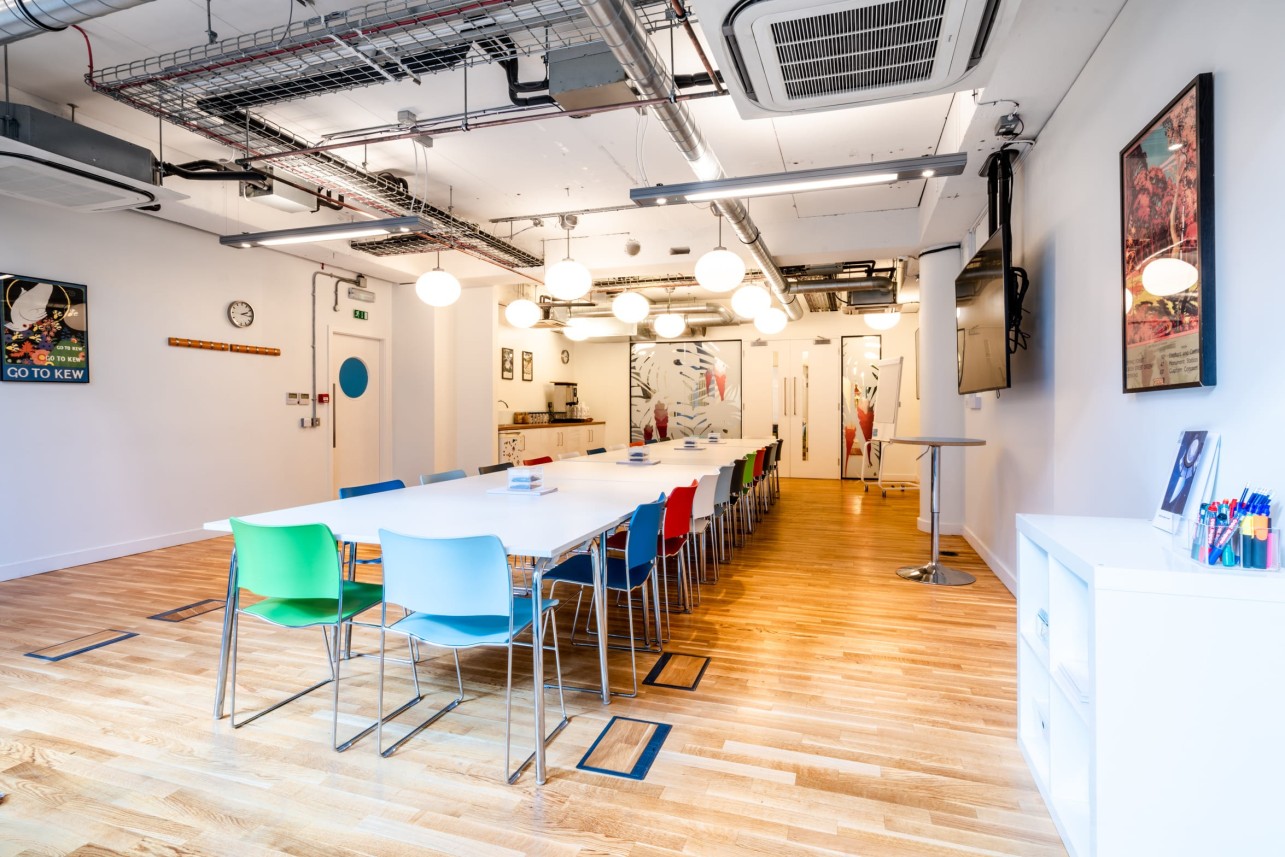
The Boardroom Isn't Dead. It's Just No Longer the Only Choice.
There was a time when almost every important business conversation happened in a boardroom.
Large table.
Leather chairs.
Projector.
Perhaps an intimidating portrait of the company's founder watching quietly from the wall.
For decades, the boardroom became shorthand for business itself.
But something changed.
Work became more collaborative.
Teams became more distributed.
Creativity became just as valuable as control.
Today, organizations don't simply ask,
“Do we need a meeting room?”
They ask,
“What kind of environment will help us do our best work?”
Those are very different questions that lead to different results.
📊 Just Meeting Rooms marketplace insight
One of the reasons we rebranded from Just Boardrooms to Just Meeting Rooms was simple: our marketplace data showed businesses were searching for far more than traditional boardrooms. Customers increasingly wanted creative studios, business lounges, workshop spaces, event venues and flexible environments designed around the purpose of the meeting rather than a single room style.
The name change was less of a brand update and more of a reflection on the evolution of work itself.
Why the Room Matters
The room quietly influences behaviour.
Walk into a traditional boardroom.
People instinctively sit around the table.
The meeting begins.
Someone opens a laptop.
Someone else opens PowerPoint.
Now walk into an open studio with movable furniture, whiteboards covering the walls and natural light pouring through large windows.
The meeting begins differently.
People stand.
They move.
They sketch.
They build.
Neither room is better.
They're simply designed for different kinds of thinking.
Choosing the right room is less about aesthetics than psychology.
1. The Traditional Boardroom
Best for:
- Executive meetings
- Board meetings
- Client presentations
- Legal discussions
- Financial planning
- Interviews
- Investor meetings
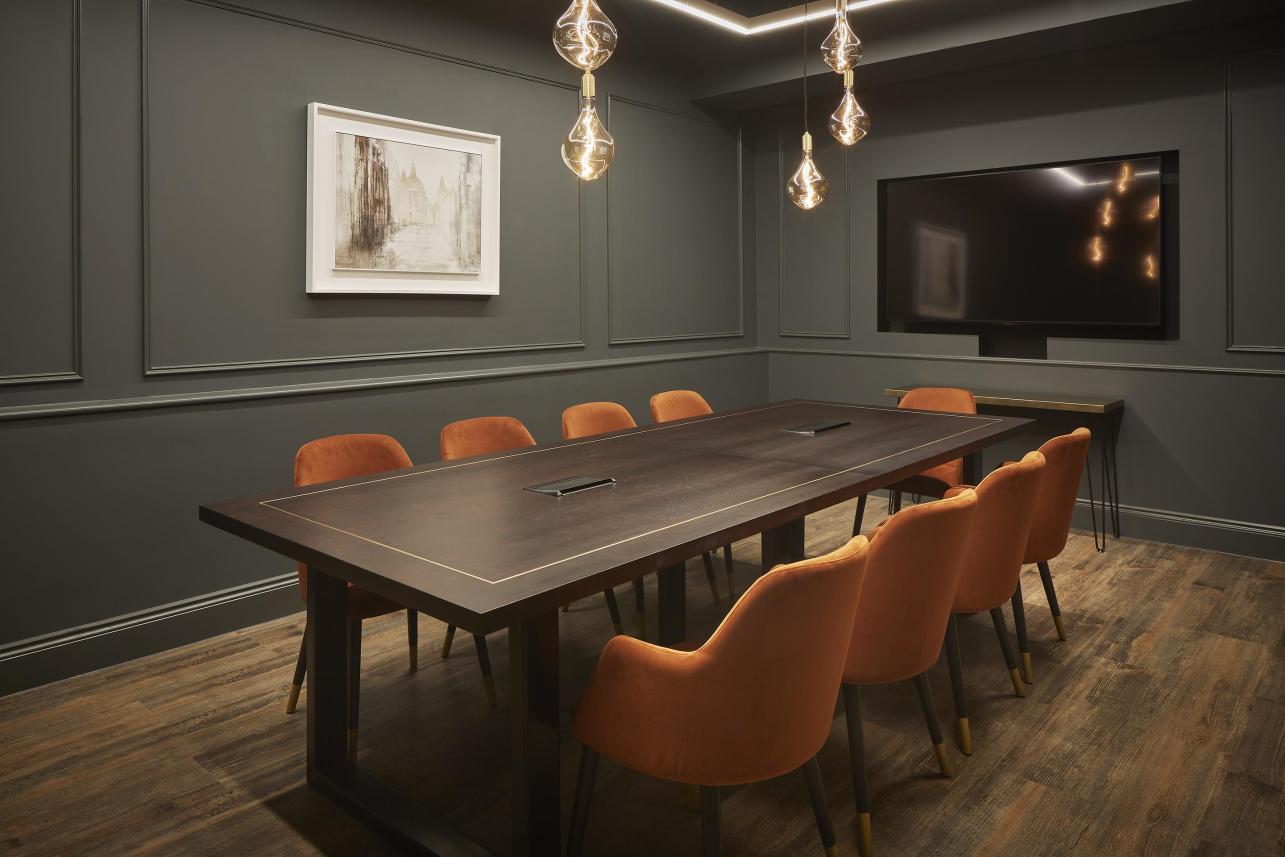
The classic boardroom will always have a place in meeting spaces for its functionality and simplicity; it communicates professionalism, structure, focus, and privacy.
When important decisions need to be made, a formal environment often helps signal the significance of the discussion.
Boardrooms typically include:
- Large conference table
- Executive seating
- Presentation screen
- Video conferencing
- Whiteboard
- High-speed WiFi
Despite the changing workplace, the boardroom remains the right choice whenever confidentiality, professionalism and decision-making are priorities.
2. Creative Studios
Best for:
- Product design
- Brainstorming
- Marketing campaigns
- UX workshops
- Innovation sessions
- Design sprints
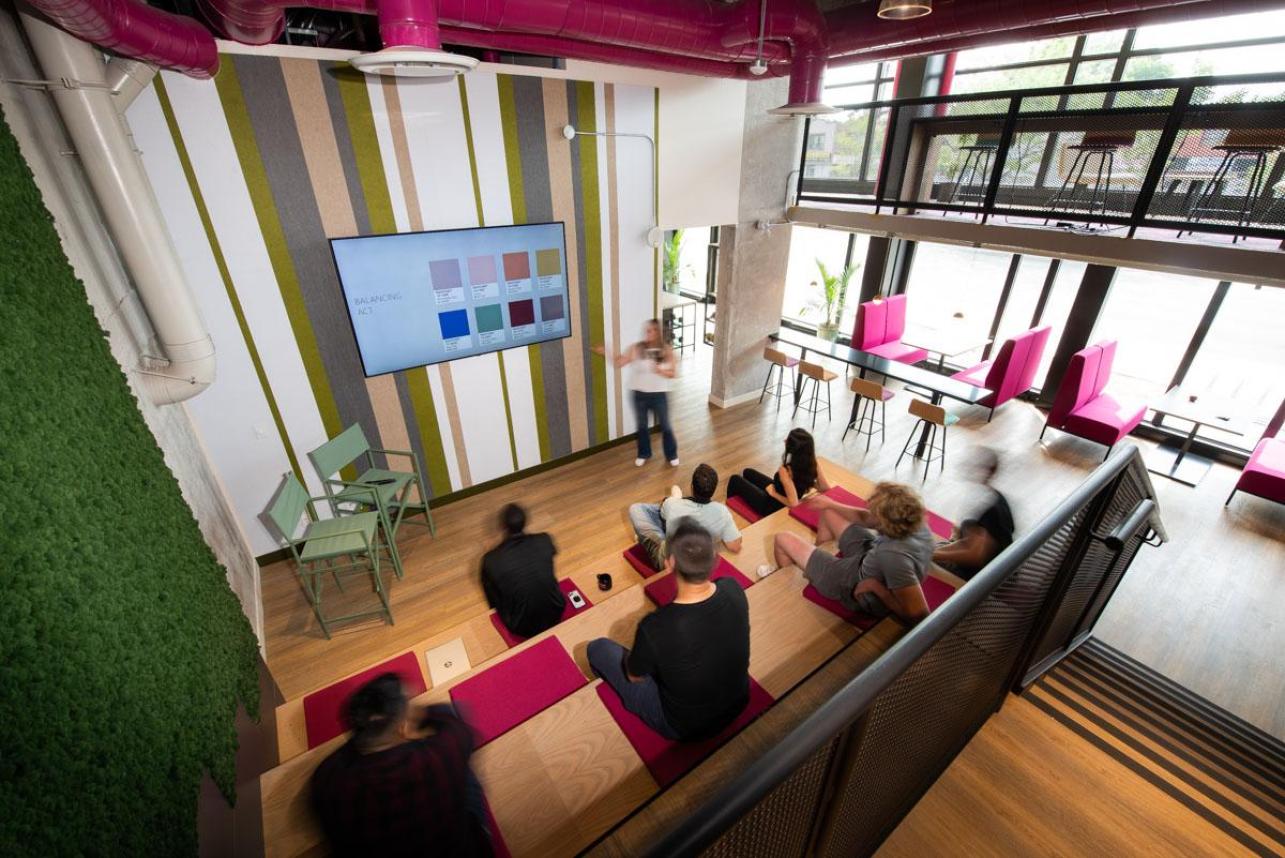
Creative work benefits from movement because ideas rarely improve when everyone stays seated for three hours.
Creative studios are designed to encourage exploration rather than presentation.
You'll often find:
- Flexible furniture
- Writable walls
- Large whiteboards
- Natural light
- Comfortable seating
- Open layouts
These spaces encourage people to think visually and collaboratively.
3. Multi-Purpose Meeting Spaces
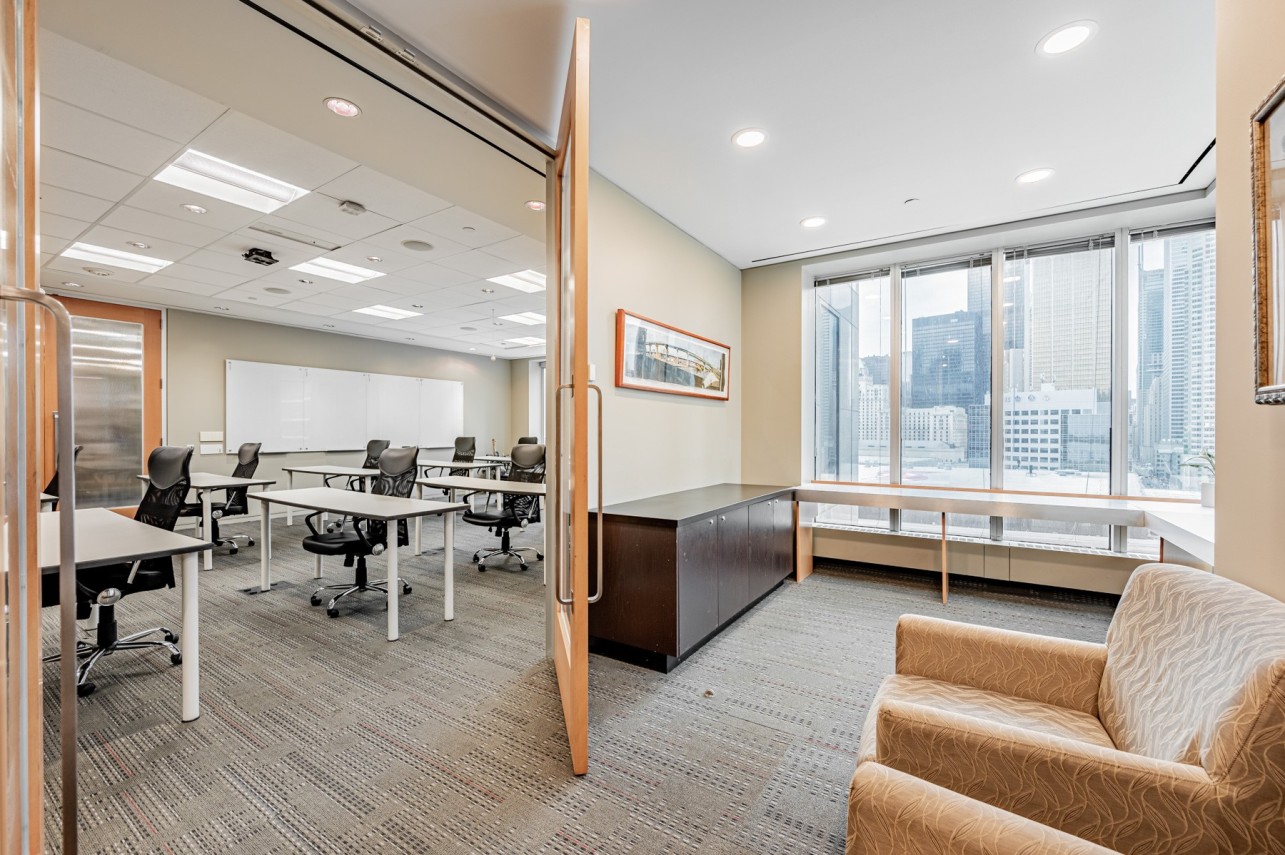
These are perhaps the most adaptable rooms available today.
Movable furniture allows the same room to become:
- Classroom
- Workshop
- U-shaped discussion
- Boardroom
- Presentation theatre
Perfect for:
- Training
- Quarterly planning
- Customer workshops
- Strategy sessions
Growing businesses particularly appreciate this flexibility because the room adapts to the meeting rather than forcing the meeting to adapt to the room.
4. Business Lounges
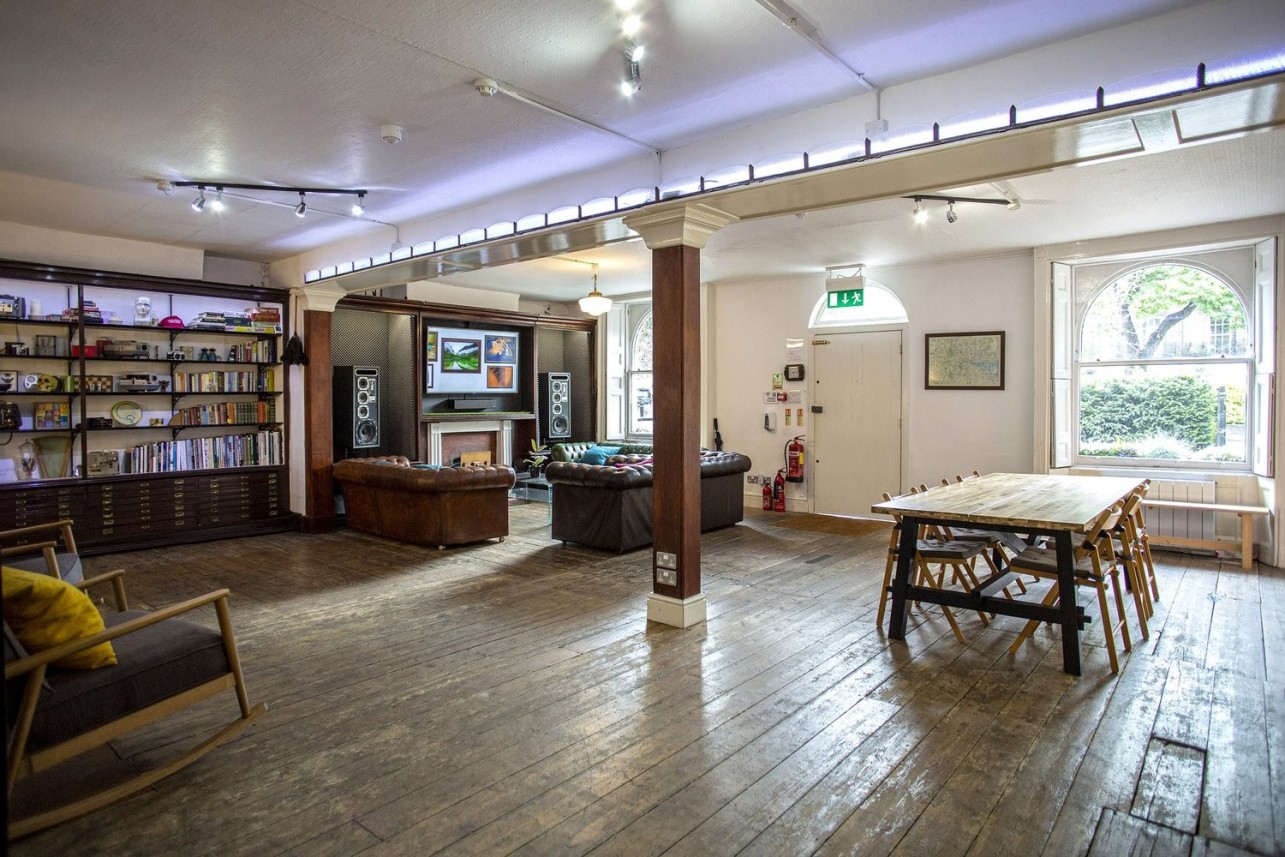
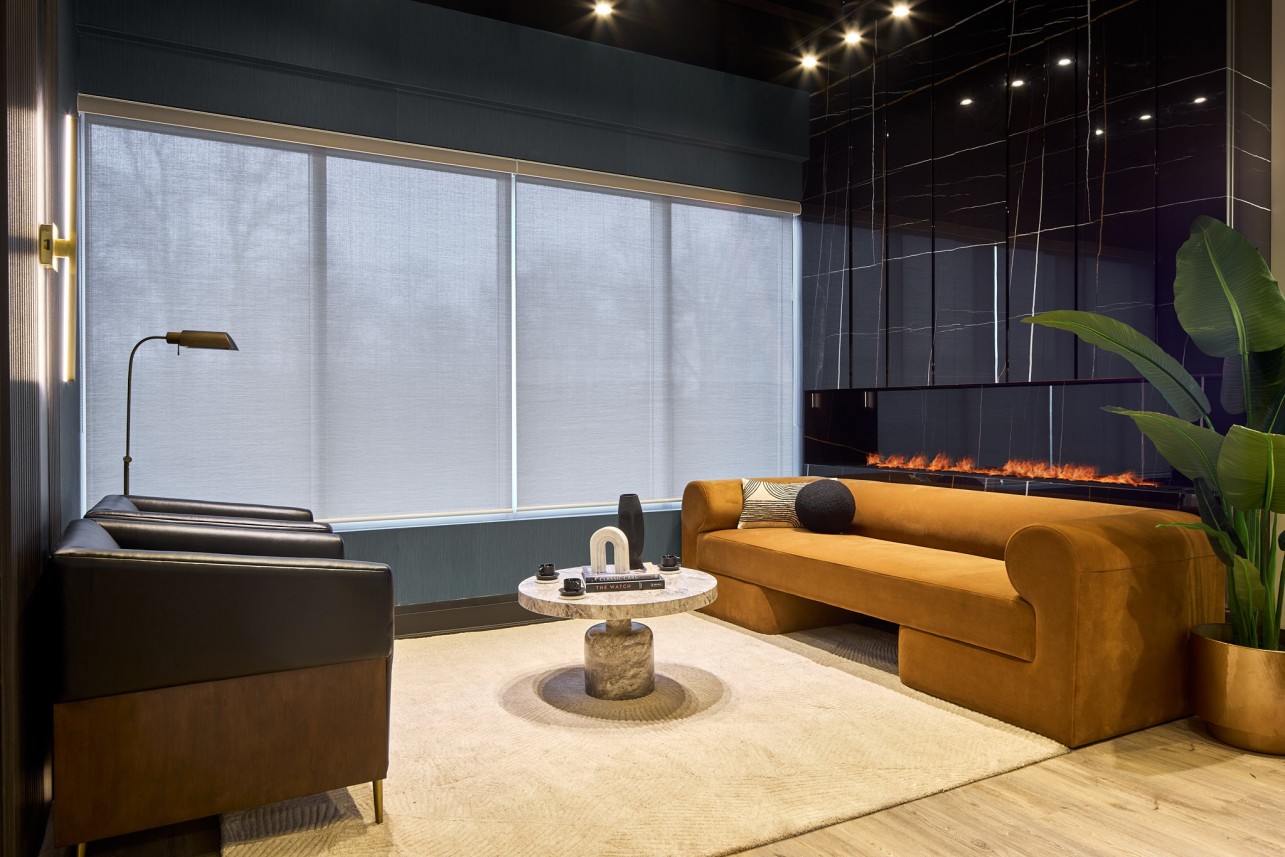
Sometimes your meeting should feel less like a meeting and more like a (professional) hangout spot.
Business lounges create a more relaxed atmosphere while remaining appropriate.
They're ideal for:
- Informal client conversations
- Networking
- One-on-one meetings
- Coaching sessions
- Candidate interviews
- Relationship building
Think of them as the business equivalent of inviting someone into your living room rather than your boardroom.
Comfort encourages conversation.
5. Event Spaces
Not every business gathering involves twelve people around a table.
Sometimes you need:
- Town halls
- Product launches
- Annual meetings
- Customer presentations
- Team celebrations
- Large workshops
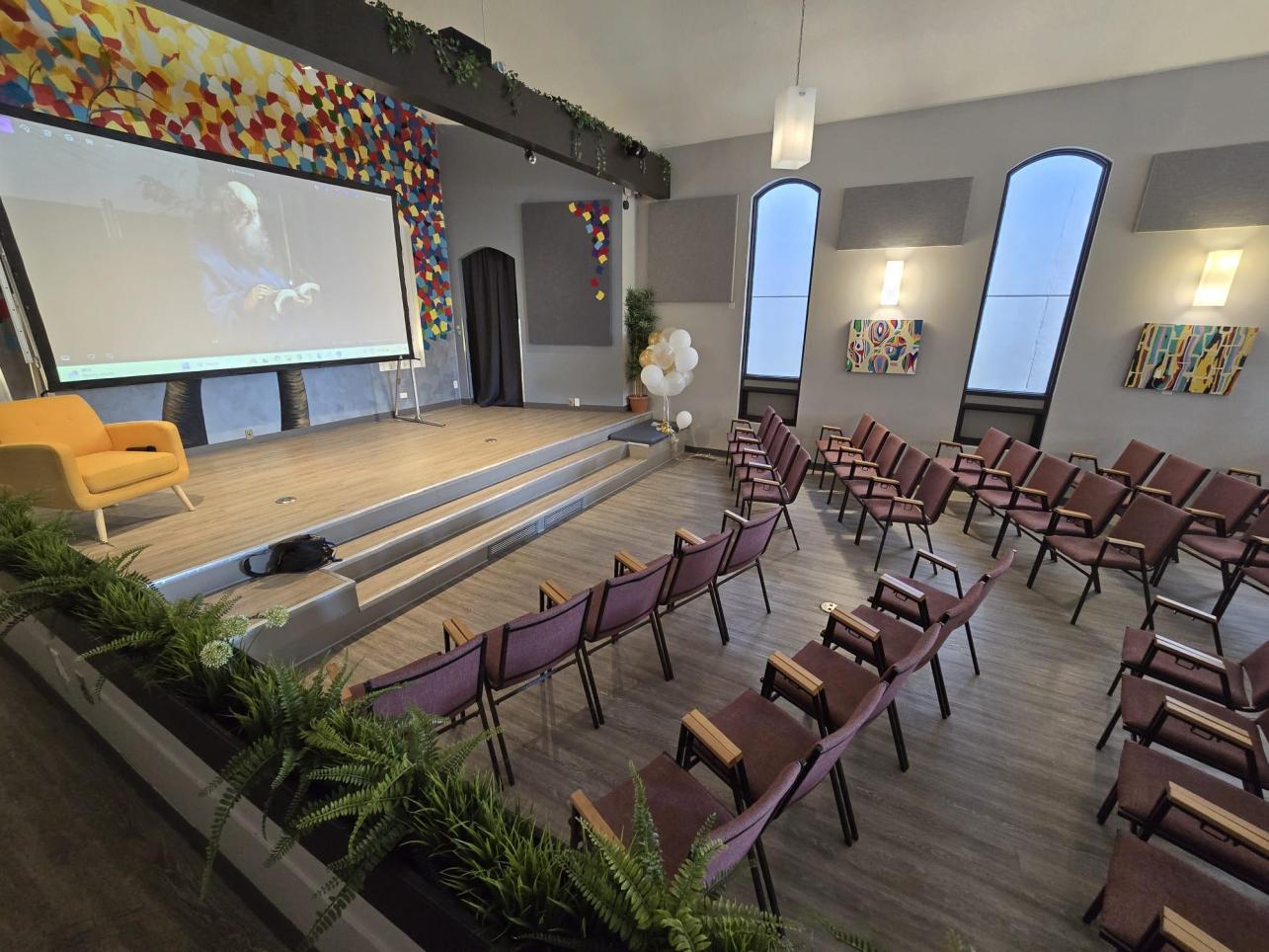
Fortunately, event spaces offer:
- Flexible seating
- AV systems
- Stages
- Microphones
- Catering
- Reception areas
In spaces like these, the atmosphere becomes part of the experience – like this gorgeous space in London, UK: The Penthouse
6. Content Studios
One of the fastest-growing categories.
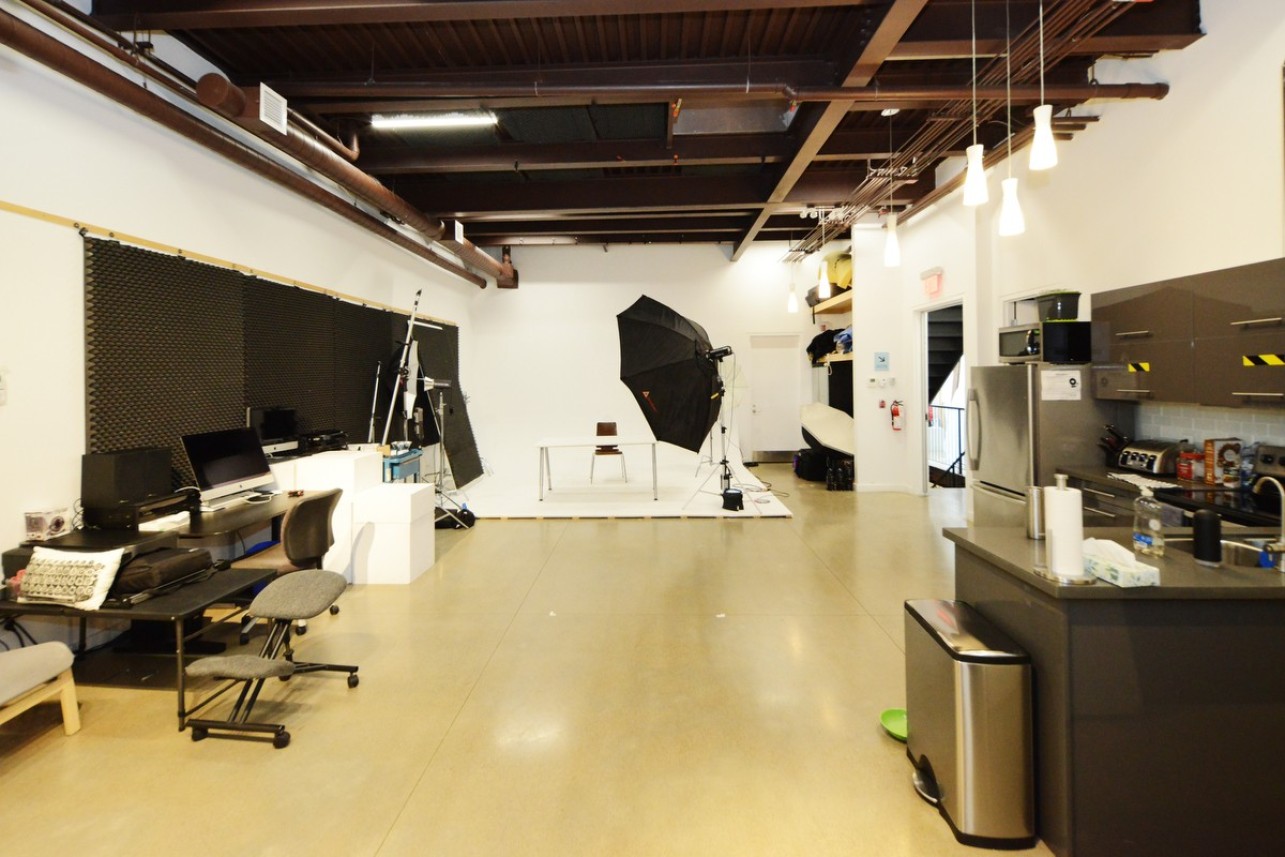
Modern teams increasingly need spaces designed for creating rather than discussing.
Content studios support:
- Podcast recording
- Video production
- Photography
- Online courses
- Product demonstrations
- Webinars
- Livestreams
Marketing teams often leave with tangible assets rather than simply meeting notes.
And they can be quite affordable, like this 1500 square foot space in Toronto, Canada: Content and Workshop Studio
7. Extraordinary Spaces
Occasionally, the room itself becomes part of the creative process.
For example, check out this beautifully restored barn in Uxbridge, Ontario.
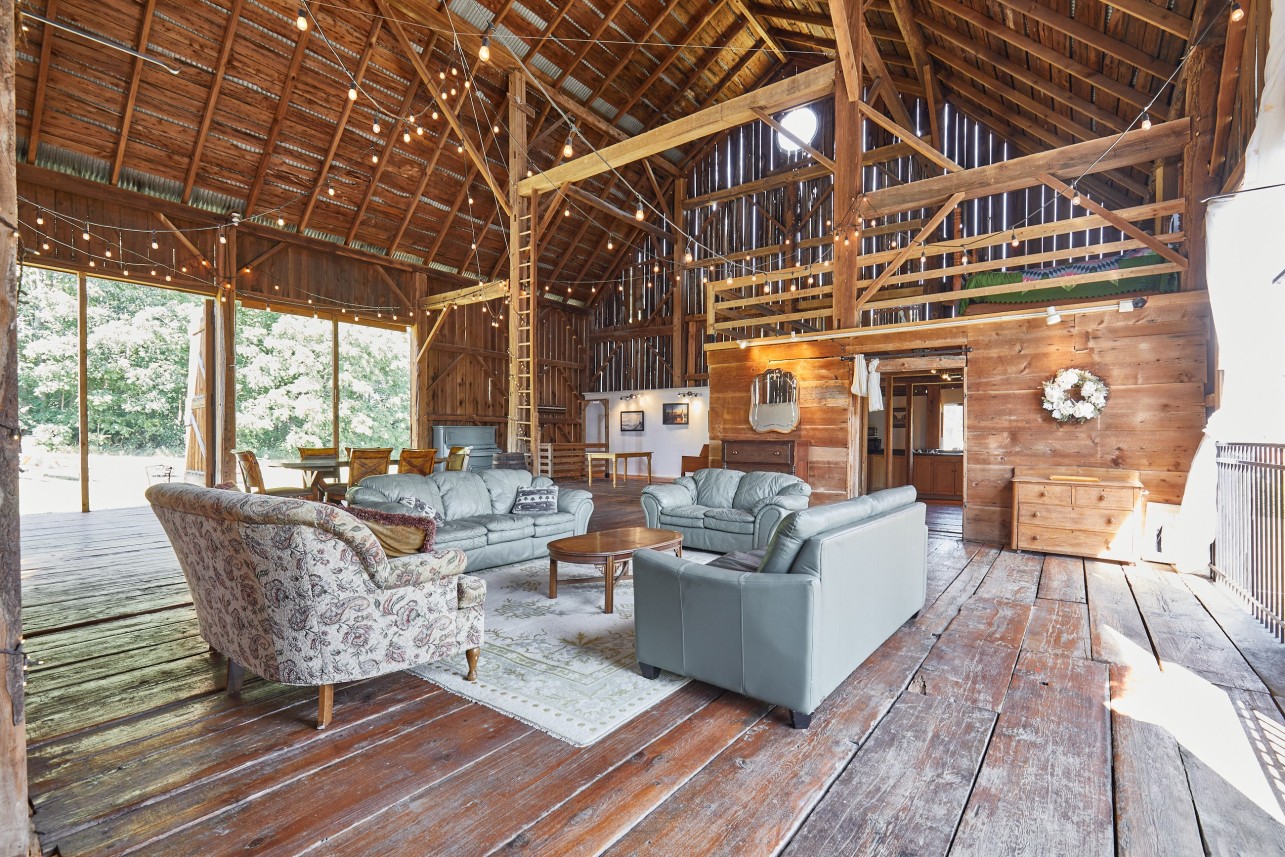
No executive board table.
No corporate artwork.
Just exposed timber, open space and a setting that immediately changes how people interact.
Would you hold a shareholder meeting there?
Probably not.
Would you host an innovation workshop?
Absolutely.
Sometimes changing the scenery changes the conversation.
Who Provides These Spaces?
One of the biggest misconceptions is that professional meeting rooms only exist inside office buildings.
Our marketplace includes spaces hosted by:
- Coworking operators
- Boutique hotels
- Event venues
- Private businesses
- Marketing agencies
- Law firms
- Real estate offices
- Consulting firms
- Innovation hubs
- Business centres
Many organizations have beautiful meeting spaces sitting empty for much of the week.
Just Meeting Rooms opens them to other businesses to experience and creates additional revenue for hosts while helping maximize the use of existing real estate.
At the end of the day, everyone benefits.
How to Choose the Right Space
Instead of asking,
“What room do we have available?”
Ask,
“What kind of conversation are we trying to create?”
| Meeting Purpose | Best Space |
|---|---|
| Board Meeting | Boardroom |
| Product Design | Creative Studio |
| Brainstorming | Flexible Studio |
| Quarterly Planning | Multi-Purpose Space |
| Client Pitch | Executive Boardroom |
| Interview | Business Lounge |
| Workshop | Flexible Meeting Room |
| Product Launch | Event Space |
| Podcast | Content Studio |
| Team Off-site | Creative Venue |
The room should support the objective, not define it.
The Future of Meeting Space
Work is becoming less standardized, and meeting spaces are following the same path.
Organizations increasingly want environments that reflect the purpose of the work they're doing.
Some meetings require polished professionalism.
Others benefit from relaxed conversation.
Some need walls covered in sketches.
Others need microphones, cameras and studio lighting.
The boardroom isn't disappearing, instead, it's becoming one tool in a much larger toolbox.
Frequently Asked Questions
Final Thoughts
For much of the last century, businesses believed there was one proper place to hold an important meeting: the boardroom.
Today, we know better.
The best meeting isn't defined by the table in the room, but defined by the conversation that happens around it.
Sometimes that's a polished executive boardroom overlooking the city.
Sometimes it's a comfortable business lounge where a client feels instantly at ease.
Sometimes it's a bright creative studio covered in sketches.
And sometimes, it's a beautifully renovated barn in the Ontario countryside where an entire product strategy begins with someone saying, “What if we tried something completely different?”
When choosing the right meeting space, don't look for the most impressive room, and instead look for the room that helps people do their best thinking.
About This Guide
This article is part of the Just Meeting Rooms Meeting Intelligence Library, a growing collection of research-backed resources designed to help organizations plan more productive meetings, workshops and collaborative sessions.