

The Complete Guide to Renting Professional Meeting Rooms
“Where better meetings begin.”
Executive Summary
The right meeting room rarely guarantees a successful meeting. The wrong one, however, can almost certainly guarantee the opposite.
That's because the environment you choose for your meeting matters as much as the meeting itself. From client pitches to interviews to hosting workshops, you want to know you are making the absolute of your in-person connects – and fortunately we're here to help.
Follow this guide to know when renting a professional meeting room makes sense, how to choose the right space, what amenities actually matter, how much to expect to pay and why more organizations are choosing flexible meeting spaces over expensive offices.
Every Important Meeting Deserves Better Than "Can Everyone Hear Me?"

There is an odd contradiction in modern business.
Organizations will spend months developing a strategy worth millions of dollars, then discuss it around a tiny café table between a barista calling out coffee orders and a group of teenagers sharing TikToks on full blast.
We're so intentional about the work that we do, yet so casual about where important conversations happen.
That may have worked when everyone occupied the same office, but not so much today. Hybrid work has turned meetings into destinations rather than routines. People travel across cities – and even countries – just to spend a few focused hours together.
Those hours deserve an environment designed for exactly that purpose.
What Is a Professional Meeting Room?
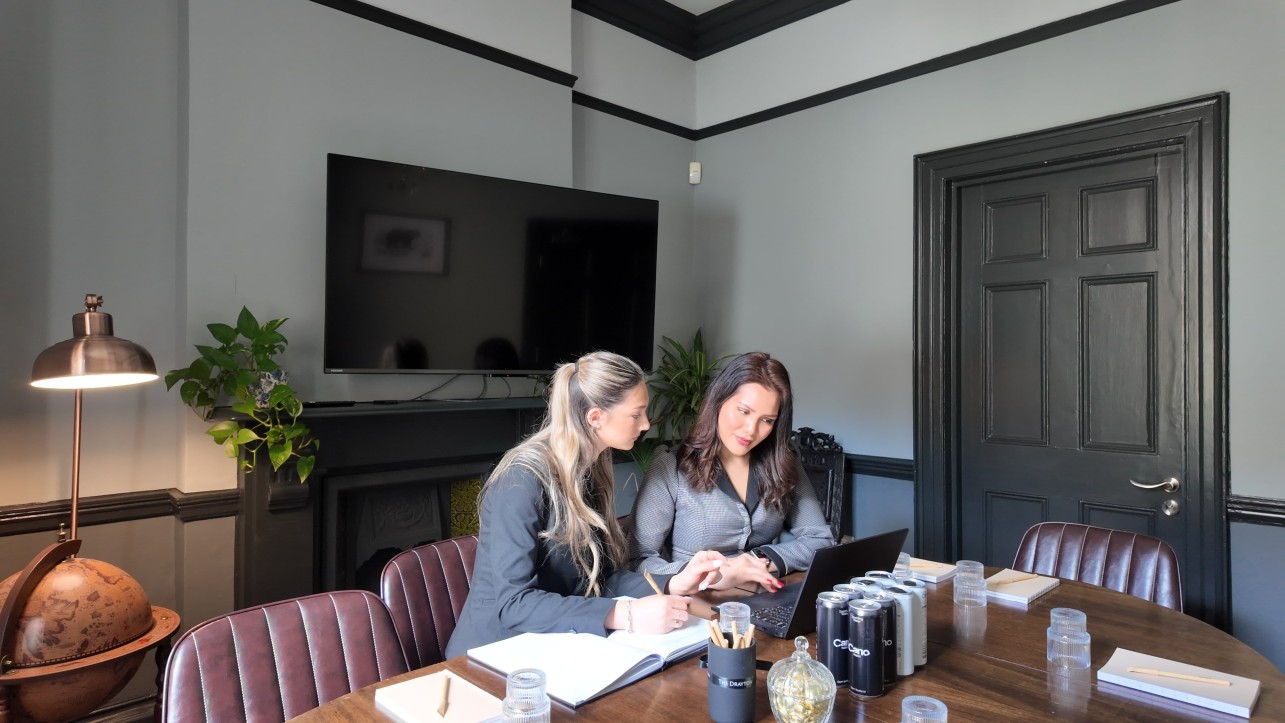
A professional meeting room is a fully equipped workspace that businesses can reserve by the hour or by the day for meetings, workshops, interviews, presentations or collaborative work.
Unlike hotel conference facilities, long-term office leases or coworking memberships, professional meeting rooms offer flexibility. You book only for the space you need and for the time you need it.
Think of it as business infrastructure available on demand.
Why Companies Rent Meeting Rooms
Most businesses don't actually need more office space.
What they do need is the right space at the right time.
Professional meeting rooms are commonly used for:
- Client presentations
- Sales meetings
- Board meetings
- Strategic planning
- Quarterly reviews
- Team workshops
- Interviews
- Training sessions
- Investor meetings
- Mediation and legal discussions
And these are hardly all-day affairs.
📊 Just Meeting Rooms marketplace insight
Across the Just Meeting Rooms marketplace, the average booking lasts 4.5 hours.
In other words, most organizations aren't looking for an office. They're looking for enough uninterrupted time to solve an important problem.
When you look at this way, flexible space is replacing permanent space.
Why Coffee Shops Usually Cost More Than They Save
Let's be fair – coffee shops have their place.
Brainstorming with a colleague.
Catching up with an old client.
Writing next year's marketing plan.
Ordering another flat white.
Negotiating a confidential acquisition?
Perhaps less ideal.
Beyond the obvious privacy concerns, coffee shops create dozens of small interruptions:
- Background conversations
- Limited seating
- Poor acoustics
- Unreliable WiFi
- Competition for power outlets
- No presentation equipment
- Constant distractions
None of these seem significant individually. But, collectively, they quietly reduce the quality of the meeting. The best meeting rooms disappear into the background and allow the conversation to occupy everyone's attention.

The Amenities That Actually Matter
Businesses often assume impressive furniture is the deciding factor, but it rarely is.
📈 Just Meeting Rooms marketplace insight
The four amenities most consistently requested by customers are:
- Fast WiFi
- Convenient parking
- Coffee service
- Easy access to public transit
Notice what's missing? Marble reception desks. Designer chairs. Architectural lighting.
People booking professional meeting space value convenience over extravagance.
What good is a sweet looking room if you can't use it?
How Far Ahead Should You Book?
Many people assume meeting rooms need to be reserved weeks in advance.
It's quicker than you might think.
📊 Just Meeting Rooms marketplace insight
The average lead time across the Just Meeting Rooms marketplace is just 10 days.
And what's so cool about that? It tells us that:
- Modern business planning has become far more agile what it used to be.
- Sales opportunities appear spontaneously.
- Interviews are scheduled with a reasonable amount of breathing room for both parties to prepare.
- Executive teams move faster than annual calendars once suggested but still need some time to take action.
While premium locations can certainly fill early, many excellent spaces remain available several days before a meeting.
Choosing the Right Room
Rather than asking,
"What's the nicest room?"
Ask,
"What does this meeting need?"
A board meeting requires different conditions than a design workshop.
An investor presentation requires different technology than a recruitment interview.
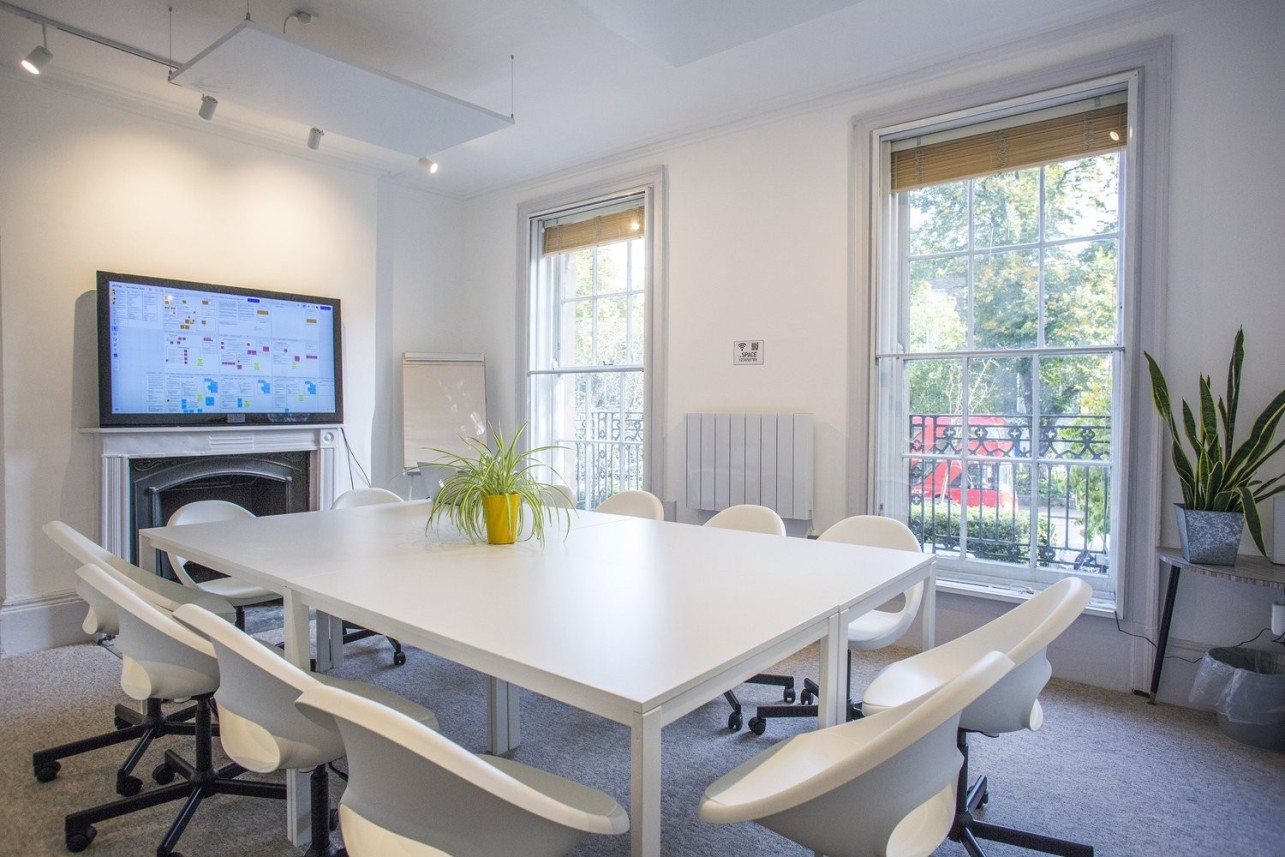
Choosing well means considering:
- Number of attendees
- Room layout
- Display requirements
- Video conferencing
- Accessibility
- Catering
- Parking
- Transit
- Privacy
- Natural light
Make the goal of your meeting room to meet your needs, not to impress.
Why Location Matters More Than You Think
Convenience influences attendance.
Attendance influences discussion.
Discussion influences decisions.
For many organizations, a centrally located meeting room reduces travel time for everyone involved – and that's particularly true in cities like Toronto and London, where public transit plays an important role in business travel.
🌍 Just Meeting Rooms marketplace insight
London currently represents the highest proportion of out-of-town business travellers using the Just Meeting Rooms marketplace, highlighting the importance of locations near major rail stations, transit hubs and business districts.
A good location saves time, but it also increases the likelihood that people arrive prepared rather than stressed.

The Rise of Flexible Business Space
Remote work, hybrid schedules and distributed teams have fundamentally changed how businesses use physical space.
Interestingly, Just Meeting Rooms is seeing its fastest growth in the United Kingdom, reflecting a broader shift toward flexible, on-demand workplaces.
Organizations increasingly prefer access over ownership.
Meeting rooms are becoming something businesses consume when needed rather than maintain permanently.
Common Mistakes
The most common errors are surprisingly predictable:
- Booking rooms that are too large
- Forgetting presentation equipment
- Choosing style over functionality
- Underestimating travel time
- Ignoring parking
- Assuming WiFi quality
- Booking noisy environments
- Forgetting coffee
One suspects civilization has survived entire wars on less caffeine than some Monday morning strategy sessions require.
Frequently Asked Questions
Final Thoughts
A professional meeting room won't make poor ideas brilliant, rescue an unprepared presentation, or shorten a meeting that should probably have been an email.
What it can do is remove unnecessary obstacles from important conversations.
Business is ultimately built through relationships. Relationships are built through conversations. And conversations deserve a setting designed to help them succeed.
About This Guide
This article is part of the Just Meeting Rooms Meeting Intelligence Library, a collection of research-backed guides designed to help organizations make better decisions about where – and how – they meet.